
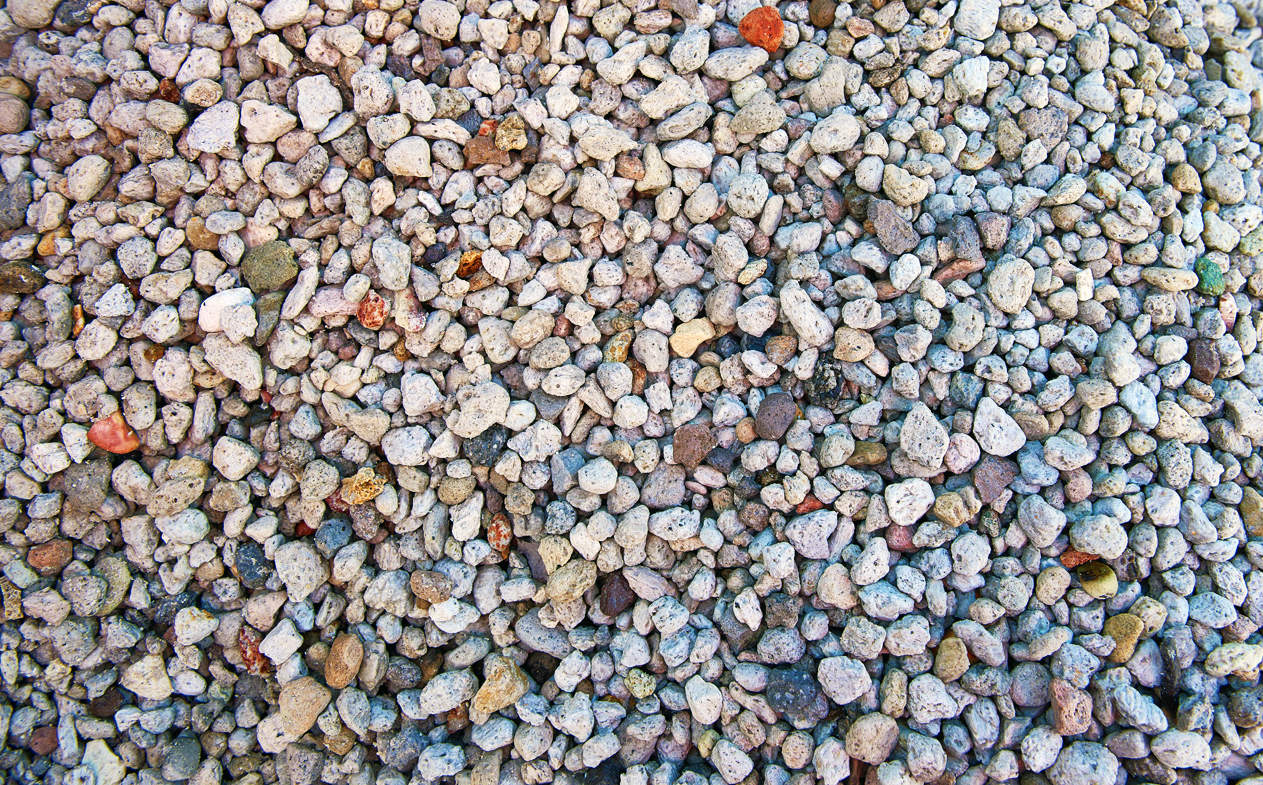
Many plant owners ask what is expanded perlite and why builders use it. Raw rock comes from natural volcanic glass with trapped water. Heat makes the wet ore expand fast into steam.
When heat hits 850°C to 900°C, raw ore pops like corn. As a result, each piece grows up to twenty times in size. The dry outcome forms a white light mineral structure.
Now, teams select this rock for everyday plant jobs. In addition, its small air cells block heat and filter liquids well.
What Is Expanded Perlite and How Is It Made?
First, miners dig natural perlite rock from volcanic pits. Afterwards, mills crush and size the raw rock. Workers then dry the crushed material before heating it in tall furnaces.
During furnace heating, wet spots inside turn into steam fast. Consequently, tiny air cells form in every warm particle. Finally, plants cool the expanded perlite and ship it to buyers.
Key Properties of Expanded Perlite
Engineers choose this material because its physical traits solve tough design problems.
Specifically, key properties include:
- Very light weight
- High heat block
- Low heat flow
- Fire safe rating
- Chemical stability
- Water resistance
- Sound dampening
- Quick setup
- Recyclable material
- Various sizes
Furthermore, these features help teams build lighter walls and block heat loss.
Common Applications in Industry
Many key sectors rely on volcanic rocks due to thermal stability. If firms need good insulation or filtration, this mineral works well.
Cryogenic, Construction and Agricultural Uses
For example, cold storage plants need strong insulation around cold liquids. Engineers put expanded perlite inside double wall tanks for liquid nitrogen, oxygen and LNG. Thus, its low heat flow keeps cold gas safe over long years.
In addition, builders mix perlite into light concrete and wall plasters. Builders also put it inside hollow walls to block heat and cut dead load.
Meanwhile, farm growers add perlite to soil for top root aeration and drainage. Similarly, drink and chemical plants use it as a filter aid for clean liquid output.
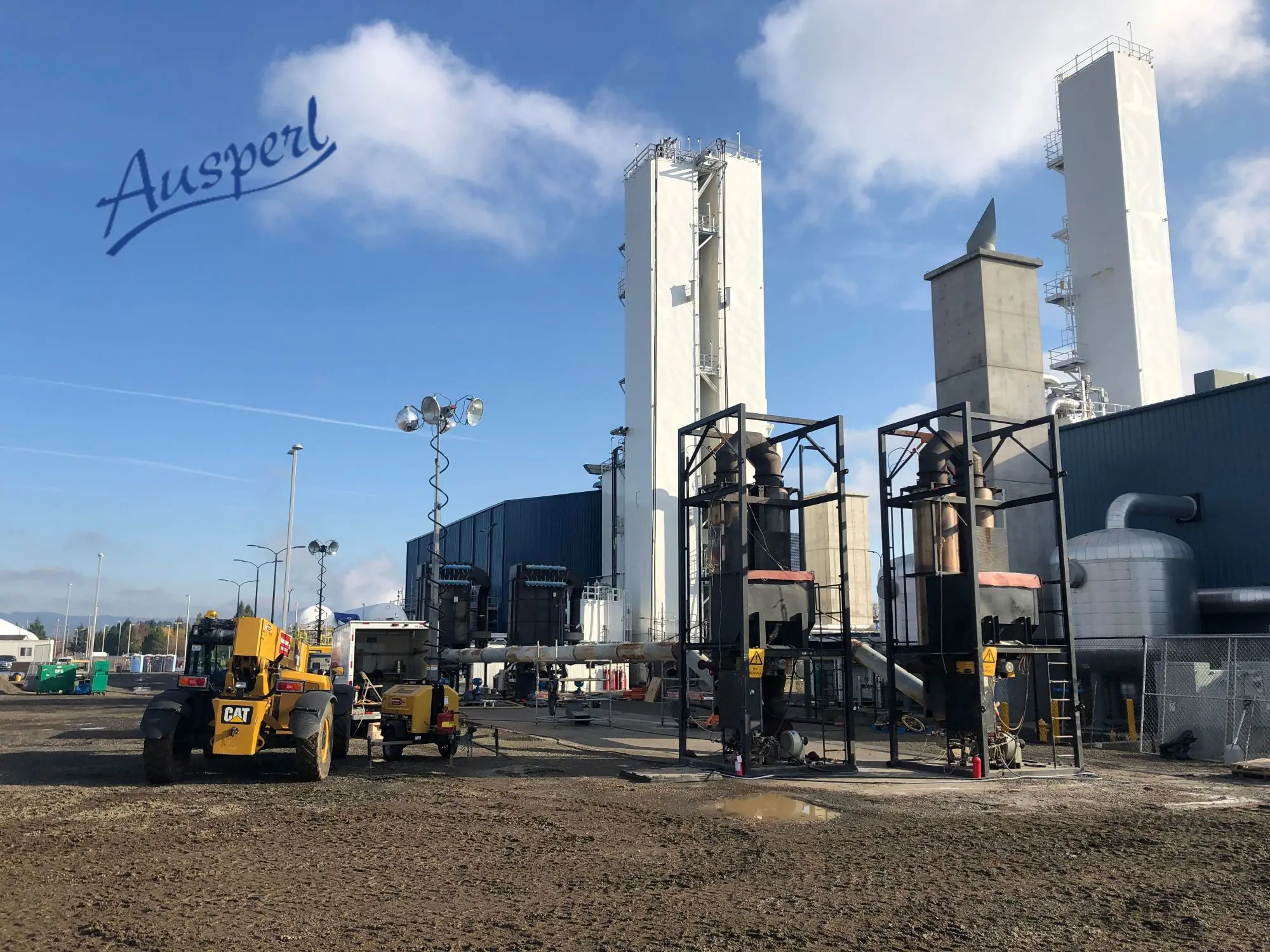
Finally, plant crews use hot perlite to wrap warm steam pipes and tanks.
Why Choose Expanded Perlite Solutions?
Few mineral items match the long term value of volcanic rocks.
In practice, the mineral offers:
- Natural volcanic source
- Long service life
- Safe non-toxic use
- High resistance to wear
- Low long term cost
Because the material holds up well under hard use, plant owners save real money.
Expanded Perlite from Ausperl
At Ausperl, we make and sell top grade mineral products for local and global buyers. When clients ask us what is expanded perlite used for, we supply custom grade sizes.
Our team supports cold storage work, building sites, filter plants and farm operations. Therefore, buyers rely on our long experience to select the best grade.
Conclusion
Overall, understanding what is expanded perlite helps plant teams boost heat efficiency and crop yields. This light mineral combines fire safety, chemical strength and insulation for modern industry.
If you need top perlite products or technical advice, contact the Ausperl team today.