
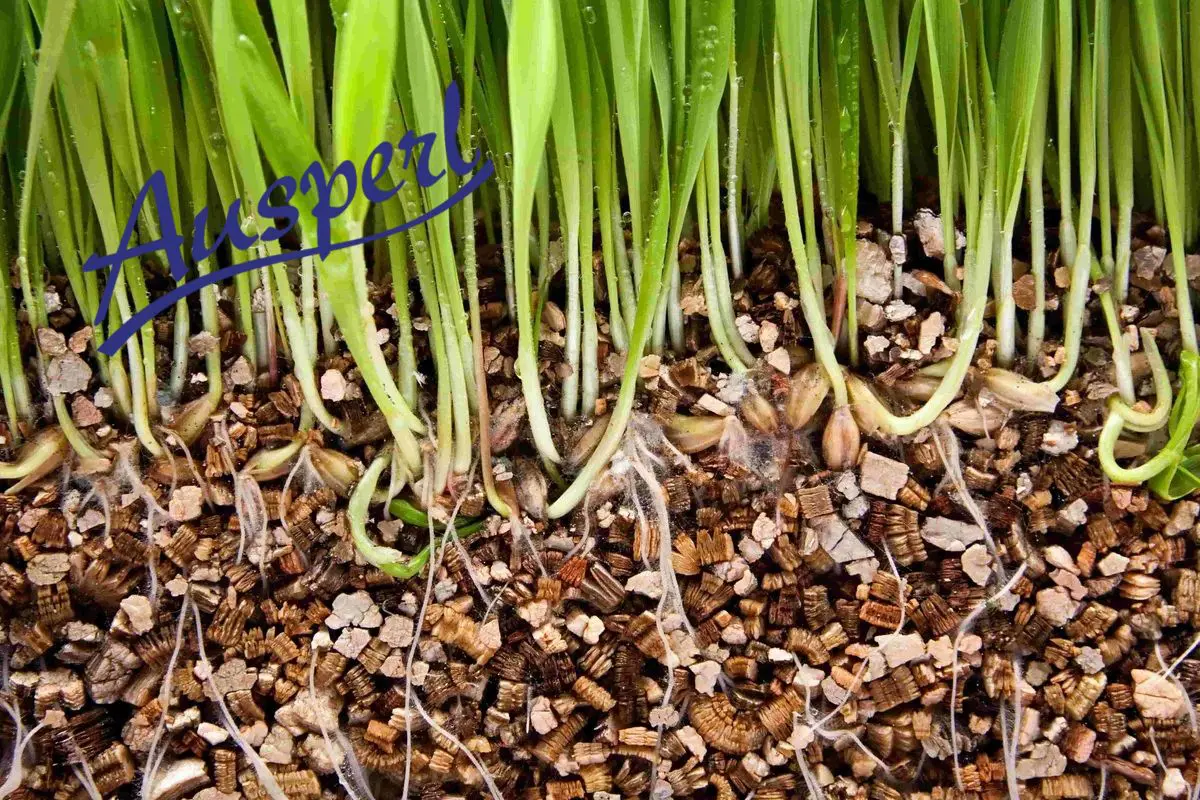
Growers often add expanded vermiculite in growing media to build strong plant root systems. A good substrate holds water, air, and plant food. Vermiculite helps growers meet all three needs in one step.
The mineral grains are light and soft. They soak up water fast and hold nutrients well. Thus, growers mix them into seed soils and potting mixes.
However, vermiculite is not a complete plant soil alone. Instead, growers select the right grade and mix ratio for each crop.
What Is Expanded Vermiculite?
Vermiculite is a natural silicate mineral with thin mineral sheets. Processing plants heat raw vermiculite ore rapidly to high heat. Water inside the mineral layers turns to steam fast. This steam pops the mineral sheets apart into light accordion shapes. People call this process exfoliation.
The mineral expands a lot in bulk volume during heating. As a result, the expanded mineral is light, fireproof, clean, and soft. These key traits set expanded vermiculite apart from dense sand or heavy stone.
How Expanded Vermiculite in Growing Media Works
Substrate results depend on particle shapes and open pores. Expanded vermiculite contains many internal spaces that hold water. At the same time, its mineral surfaces hold positively charged nutrient ions.
These positive ions include potassium, calcium, magnesium, and ammonium. Therefore, the mineral holds plant food in the root zone. But growers still use a full plant feeding plan. The mineral simply helps hold plant food between waterings.
Key Benefits for Plant Germination and Propagation
Fine and medium grades suit seed germination and young plant cuttings. Wet vermiculite wraps around seeds without pressing on fresh roots. Young shoots push through the soft mix with ease.
In addition, vermiculite keeps moisture and soil heat steady around small seeds. The clean mineral brings no weeds or pests into the soil.
However, roots also need fresh air to grow well. Therefore, growers mix vermiculite with peat, coir, bark, or perlite. Perlite adds drainage and air space, while vermiculite holds water and food. Both minerals work together in custom soil blends.
Finally, low mineral weight cuts freight costs and saves hard work. Workers mix light blends fast with standard tools.
Selecting the Right Vermiculite Grade
Expanded vermiculite comes in fine, medium, and coarse grain sizes. Fine grades fit small seed trays and tight plug cells. Medium grades suit main potting mixes. Coarse grades fit large pots that need open space.
Growers check key factors when selecting expanded vermiculite in growing media:
- grain size
- target water hold
- bulk weight
- mixing tools
- pot size
- crop time
- mix fit
Trial mixes help growers find the right mineral ratio for each crop.
Applications Beyond Horticulture
The same mineral traits help industrial uses outside plant nurseries. Build teams use vermiculite for heat control and fire safety. Industrial users select expanded vermiculite for key jobs:
- light concrete
- fire walls
- pipe insulation
- heat linings
- safe packaging
Each job uses a matching mineral grade and size.
Why Choose Ausperl Vermiculite?
Ausperl supplies high grade exfoliated vermiculite for farms, nurseries, and plants. The team provides custom grades for seed raising, potting mixes, and soil conditioning.
Ausperl works with customers to match particle sizes to crop needs. This direct approach helps growers mix expanded vermiculite in growing media with great success.
Conclusion
Growers trust expanded vermiculite in growing media to boost plant root growth. The light mineral holds water, stores plant food, and shields young roots.
However, growers must balance vermiculite with good drainage for top results. The right grade choice yields healthy crops and smooth nursery work.
If you build or refine a growing medium, contact Ausperl to select the right vermiculite grade for your application.