

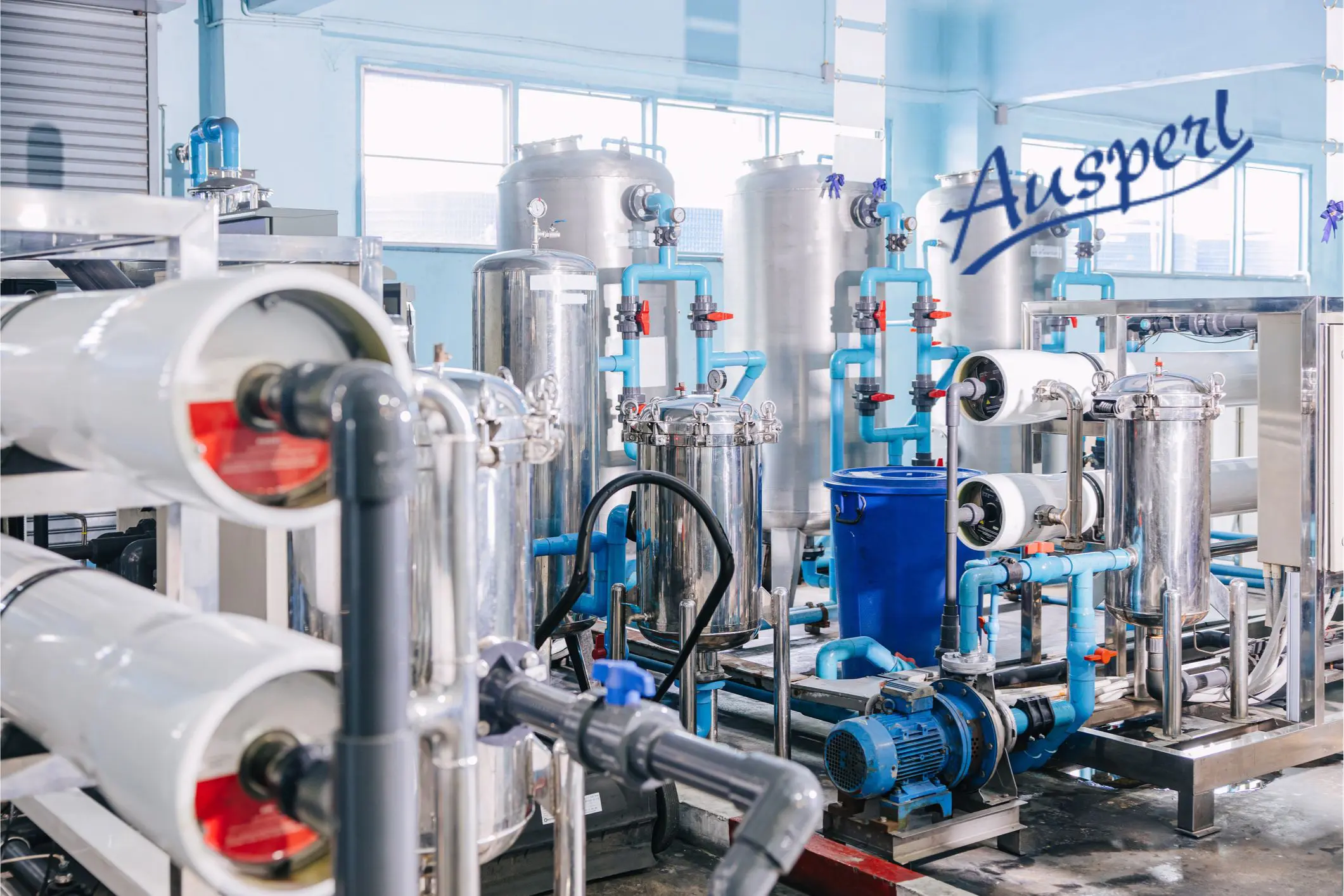
When manufacturers compare perlite vs diatomaceous earth, filtration performance is only one part of the decision. Flow rate, product clarity, handling requirements, disposal costs and worker safety can also influence the choice of filter aid.
Both expanded perlite and diatomaceous earth are widely used in industrial filtration. However, their physical properties differ, which means they may perform differently depending on the liquid, equipment and required filtration result.
Understanding these differences helps manufacturers select the most suitable filter aid for their process.
What Is a Filter Aid?
A filter aid is a finely divided, porous material used to improve solid-liquid separation. It forms a permeable filter cake that captures suspended particles while allowing the liquid to pass through. Manufacturers commonly use filter aids as:
- A precoat on the filter medium
- A body feed added directly to the liquid
- A combination of precoat and body feed
An effective filter aid should provide good clarity without creating excessive pressure drop. It should also maintain a stable filter cake and support an acceptable production flow rate.
What Is Perlite Filter Aid?
Perlite filter aid is produced from natural volcanic glass. During manufacturing, raw perlite is rapidly heated, causing the water trapped inside the mineral to vaporise. The particles expand and form a lightweight, porous structure. The expanded material is then milled and classified into grades designed for different filtration requirements. Perlite filter aids are commonly used in the food, beverage, pharmaceutical, chemical and industrial processing sectors.
What Is Diatomaceous Earth?
Diatomaceous earth, also known as DE or diatomite, is a naturally occurring sedimentary material formed from the fossilised remains of microscopic aquatic organisms called diatoms. These organisms have porous silica-based structures. After mining, the material is processed and classified to produce filter aid grades with different permeability and particle retention characteristics. Diatomaceous earth has a long history of use in industrial filtration, particularly in brewing, winemaking, food processing and chemical production.
Perlite vs Diatomaceous Earth: Filtration Performance
Both materials can deliver effective filtration. However, their performance depends heavily on the selected grade and process conditions.
Product Clarity
Diatomaceous earth is well established for applications requiring fine particle retention and high liquid clarity. Perlite can also achieve excellent clarity when the correct grade is selected. In many processes, it provides a practical alternative to DE without compromising the required product quality. The final result depends on several factors, including:
- Particle size distribution
- Liquid viscosity
- Solids concentration
- Filter pressure
- Filtration cycle
- Desired clarity
Laboratory or production trials are often the best way to compare performance under actual operating conditions.
Flow Rate
A filter aid must provide sufficient permeability to maintain an efficient flow rate. Perlite filter aids are available in several grades, from fine products designed for improved clarity to coarser grades designed for faster filtration. Diatomaceous earth is also available in a broad range of permeabilities. Therefore, the comparison should be made between equivalent grades rather than between the materials in general.
Filter Cake Structure
Expanded perlite particles can form a lightweight and porous filter cake. This structure may support good liquid flow while retaining suspended solids. DE also creates a porous cake, although its higher bulk density can affect the amount of material required by volume. The stability of the filter cake depends on the filtration equipment, solids loading and operating pressure.
Handling and Operational Efficiency
Handling characteristics are important in manufacturing environments where filter aid is transported, stored and dosed regularly.
Lower Bulk Density
Perlite generally has a lower bulk density than diatomaceous earth. This means a given weight of perlite can occupy a larger volume. Depending on the process, this may provide several operational benefits:
- Lower filter cake weight
- Easier manual handling
- Reduced stress on filtration equipment
- Potentially lower disposal weight
- Efficient coverage during precoating
However, storage and dosing systems must be designed to accommodate the material’s low density.
Transportation and Storage
Because perlite is lightweight, users should compare transport costs by usable filtration volume rather than by weight alone. Storage space, packaging format and handling equipment should also be considered when assessing total operating cost.
Health and Safety Considerations
Dust control is important when handling any powdered filter aid. Some diatomaceous earth products may contain respirable crystalline silica, depending on the source and manufacturing process. Long-term occupational exposure to respirable crystalline silica can present serious health risks. Perlite products generally contain lower levels of respirable crystalline silica than many calcined DE filter aids. Nevertheless, users should always consult the product Safety Data Sheet and follow appropriate workplace controls. Recommended measures may include:
- Local exhaust ventilation
- Enclosed dosing systems
- Suitable respiratory protection
- Dust-controlled handling procedures
- Employee training
Product-specific safety data should always guide material selection and handling practices.
Cost Comparison
The lowest purchase price does not always result in the lowest filtration cost. Manufacturers should compare the total cost of using perlite vs diatomaceous earth, including:
- Filter aid consumption
- Filtration cycle duration
- Labour requirements
- Product losses
- Cleaning frequency
- Waste disposal costs
- Transport and storage
- Production downtime
- A filter aid that improves throughput or extends filtration cycles may provide better overall value even when its price per kilogram is higher.
Environmental and Disposal Considerations
Both perlite and diatomaceous earth are naturally derived mineral materials. However, their environmental impact depends on sourcing, processing, transport and final disposal.
The lower bulk density of perlite may reduce the weight of spent filter cake. This can be beneficial where disposal costs are calculated by mass.
Disposal requirements also depend on the filtered product. A mineral filter aid used with a hazardous chemical may need to be treated as hazardous waste, regardless of the original material.
Manufacturers should assess the complete waste stream rather than the filter aid alone.
Which Filter Aid Should Manufacturers Choose?
There is no universal winner in the comparison between perlite and diatomaceous earth.
Diatomaceous earth may remain suitable for established processes where its performance is already well understood. Perlite may offer advantages where manufacturers are looking for:
- Lower bulk density
- Reduced filter cake weight
- Easier handling
- Competitive filtration performance
- Lower crystalline silica exposure potential
- An alternative to traditional DE grades
The best choice depends on the required clarity, flow rate, equipment design and operating cost.
Perlite Filter Aid Solutions from Ausperl
Ausperl supplies expanded perlite filter aids for a wide range of manufacturing and industrial applications.
Our team can help customers evaluate key process requirements, including liquid characteristics, filtration equipment, target clarity and desired throughput.
Selecting the correct grade is essential. A product that is too fine may reduce flow rate, while a grade that is too coarse may not provide the required clarity.
Technical evaluation and filtration trials can help identify the most effective solution.
Conclusion
The comparison of perlite vs diatomaceous earth should consider more than particle retention alone.
Both materials can deliver reliable filtration, but expanded perlite may offer valuable benefits in terms of bulk density, handling, filter cake weight and occupational exposure management.
For manufacturers, the most effective filter aid is the one that delivers the required clarity and flow rate at the lowest total process cost.
Contact Ausperl to discuss your filtration requirements and identify the most suitable perlite filter aid grade for your operation.