
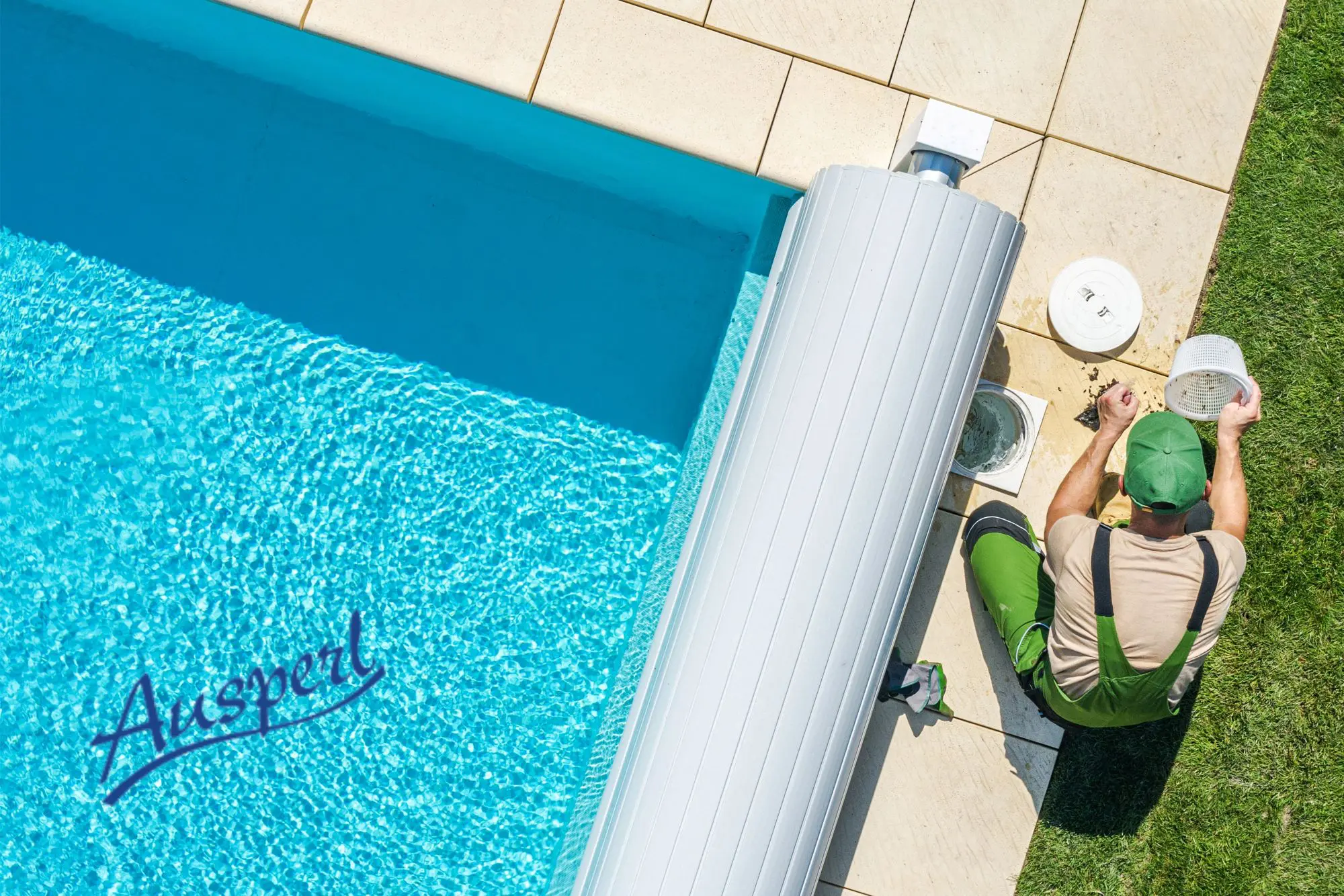
Clean pool water relies on good pool filtration systems. Germs die with chemicals. However, pool filtration removes fine dirt that clouds water.
For years, pool leads used sand or DE media. Today, pool builders and service crews prefer perlite. Perlite gives clear water and easy bag handling.
Expanded perlite gives fine dirt capture, low bulk mass, and fast flow rates. As a result, pool leads pick this natural rock for home, work, and public pools.
What Is Perlite Pool Filtration?
Expanded perlite comes from raw lava glass with trapped water. Furnace crews heat raw rock to 850–900°C in big kilns.
This high heat turns trapped water to steam. Thus, each particle pops fast. The expanded rock forms a light, porous mass with small flow paths.
During pool filtration, this porous powder forms a clean filter cake. Consequently, clear water flows through fast while fine dirt stays on the cake.
How Perlite Filters Pool Water
Pool teams use perlite in pressure filter tanks built for filter media. Before filtering starts, operators coat filter grids with a thin precoat layer.
In addition, service crews add body feed during long filter runs. Body feed keeps flow strong. As pool water flows through media, the porous cake traps fine waste.
Specifically, perlite media captures key pool water waste items:
- Dust
- Dirt
- Fine sand
- Pollen
- Plant debris
- Sunscreen oils
- Algae bits
- Fine floating solids
Because filter cake stays porous, clean water flows fast while media holds fine dirt.
Key Work Gains for Pool Operators
Pool leads choose perlite media because it joins clear water with easy upkeep. For example, fine dirt capture gives clear sparkling pool water every day.
Proper perlite grades give top clarity across many pool setup types. Furthermore, expanded perlite features a light bulk weight. Light weight makes bag handling easy for crews.
Service teams enjoy clear practical gains during daily filter work:
- Easier transport
- Simple storage
- Lighter lifting
- Fast filter loading
- Safe work steps
Lighter bags cut crew fatigue. Also, light bags speed up routine filter care. Furthermore, the porous media structure keeps water flow steady throughout each filter run.
Well-formed perlite filter cakes wash off fast. Quick washing lowers cleaning time for crews. Finally, perlite is a pure natural rock that adds no bad chemicals to pool water.
Comparing Perlite to Sand and DE Media
Sand filters stay common because sand is cheap and simple to use. However, sand grains are large. Thus, fine floating dirt passes back into the pool.
In contrast, perlite holds smaller dirt bits to yield clear pool water. Note that operators do not dump perlite into standard sand filter tanks.
Instead, perlite works in filter tanks made for precoat filter media. Meanwhile, DE media filters well. But DE lacks perlite’s light weight and safe handling gains.
Perlite offers clear advantages over traditional DE filter media:
- Lower bulk mass
- Easier bag handling
- Lighter spent cake
- Fast flow output
- Pure mineral content
Therefore, pool leads get clear pool water along with safer, lighter daily work.
Applications and Grade Selection for Pool Filtration
Perlite pool filtration fits a wide range of public, work, and home pool sites. For instance, site leads run perlite filters in many aquatic settings:
- Home swimming pools
- Commercial pools
- Hotels and resorts
- Public aquatic centres
- Sports centers
- Swim centers
- Water parks
- Therapy pools
However, pool size and pump flow rate dictate the right perlite grade. Techs check key site facts before choosing a perlite grade:
- Filter tank type
- Target water clarity
- Flow rate speed
- Pool water volume
- Pump flow size
- Upkeep schedules
- Tank line pressure
Selecting the right grade ensures strong pool filtration. Also, proper grades extend filter run times.
Environmental Profile and Aquaperl® Media
Expanded perlite offers a green choice for modern pool filter care. Mills pop raw lava rock using heat without adding harsh chemical agents.
In addition, light perlite bags lower truck freight weight. Lower mass cuts fuel use during transit. Site managers track full product life from rock mining to safe disposal.
Ausperl makes Aquaperl® as a top expanded perlite for pool filtration. Specifically, Aquaperl® gives uniform particle size, steady flow, and reliable media quality.
Our team helps pool trade leads pick the best media grade for each filter tank. Whether running home pools or large commercial sites, Aquaperl® delivers clean water.
Summary and Next Steps with Ausperl
Perlite pool filtration combines fine dirt trapping with light, easy bag handling. Compared to old filter media, perlite cuts daily upkeep work and boosts water clarity.
Overall, pool leads get strong filter results while keeping pool water clear and bright. If you need top pool filtration media, contact Ausperl to discuss Aquaperl®.